


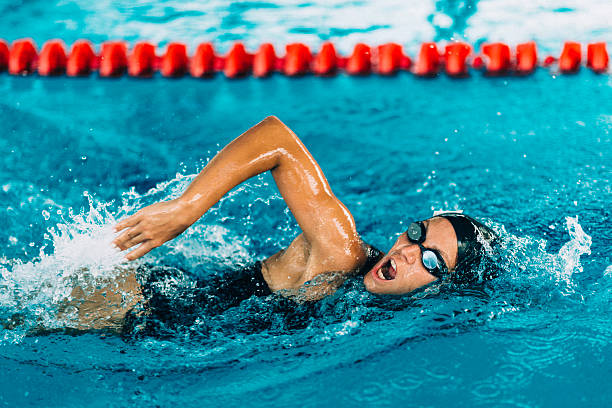
The Pandemic forced us to look for alternatives for exercise and recreation. With indoor activity restrictions many people have started participating in water activities such as swimming, surfing, kayaking, stand up paddling, and more. Water sports are terrific forms of outdoor exercise which have many benefits, but theses activities can also be very taxing on the shoulder for the novice and most advanced water person. Most water sports are unique in that they use the shoulders to propel the weight of the body against the resistance of the water versus our typical land based activities. Sometimes, due to a variety of reasons this can cause laxity, instability, and repetitive stress to the shoulder joint. One of the most notable conditions in water sports is swimmer’s shoulder better known as shoulder impingement.
The shoulder is known to be the most mobile joint in the body and due to this, it requires optimal support and coordination of the bones and the surrounding soft tissues. If the shoulder joint is not functioning properly and used in a repetitive activity such as swimming; trauma to the shoulder joint can occur.

Swimmer’s Shoulder Causes
- Poor technique
- Over-training
- Fatigue
- History of shoulder injury
- Hypermobility (laxity) of the shoulder joints
- Improper equipment
- Muscle imbalances
- Poor posture
If symptoms go untreated and activity persists through pain this has the potential to lead to:
- Tendonitis
- Impingement
- Ligament and capsule damage
- Rotator cuff tears
- Bursitis
- Cartilage damage
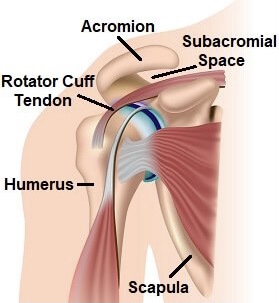
The shoulder joint is composed of the skeletal bones and the surrounding soft tissues that help move and stabilize the joint. The skeletal bones include the humerus, scapula, and clavicle. The primary muscles of the shoulder joint that initiate, move, and stabilize the joint include the deltoid, teres major and the four rotator cuff muscles; the supraspinatus, infraspinatus, subscapularis, and teres minor. The muscles work in unison to move the shoulder joint safely and efficiently. The rotator cuff not only moves the shoulder, but works with the labrum to stabilize the joint as well. Weakness, inefficiency, and/or poor coordination of the structures can lead to injury. One of the leading sites of injury is within the the subacromial space. The supraspinatus tendon passes through this space to move and stabilize the humerus. If the shoulder complex is not working properly, the space is reduced often resulting in pinching of the soft tissue. This occurs especially during overhead motions, a primary motion used in water sports. Repetitive pinching or impingement can result in trauma and swelling to the supraspinatus tendon, bicep tendon, and/or subacromial bursa. This in turn not only limits your shoulder function, but can also predisposes you to trauma to the labrum and can lead to compensatory issues in the arm, neck, and back.
Swimmer’s Shoulder Symptoms
- Intermittent to constant shoulder pain
- Pain when reaching overhead
- Pain when reaching behind the back
- Decreased general range of motion
- Declining shoulder strength
- Pain radiating from the back of your shoulder
- Pain sleeping on the affected side
- Constant neck stiffness on affected side
Common Characteristics of Swimmer’s Shoulder

- Inflammation of the supraspinatus tendon, bicep tendon, and/or bursa
- Shoulder instability
- Ligament laxity
- Muscle imbalances
- Over-development of shoulder adductors and internal rotators
- Weakness of scapular stabilizers and external rotators
- Training errors or compensations when executing swimming stroke
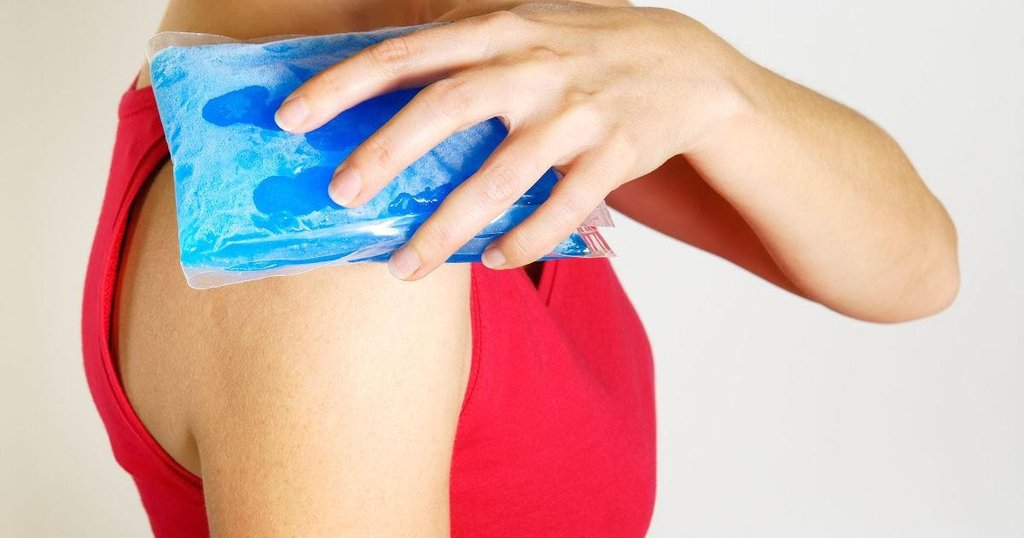
Majority of the time Swimmer’s Shoulder can be treated conservatively. If initial symptoms are ignored and you continue the activity without modification, symptoms and tissue damage can worsen. Initial conservative treatment includes:
- Rest
- Ice
- Modifying activity
- Anti-Inflammatory medications
- Gentle Exercises
Exercises used for treating Swimmer’s Shoulder tend to focus on stretching the anterior muscles and strengthening the posterior structures in order to improve muscle imbalances, shoulder posture, and shoulder mechanics. A few examples of common exercises used to treat Swimmer’s Shoulder include:
Doorway Pec Stretch ( Flexibility, Posture, Range of motion )
Scapular Retraction/squeezes ( Strength, Coordination, Posture )

Shoulder External Rotation (Strength, Stability)
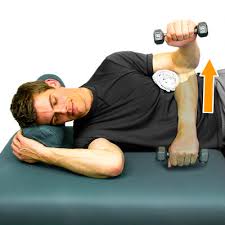
Swimmer’s Shoulder can effect everyone differently. Anatomy, age, water experience, and more can impact severity of the injury. Swimmer’s Shoulder/Impingement symptoms can often linger for long periods of time and worsen if not treated early and appropriately. If conservative home remedies are ineffective see your local physical therapist for a personalized treatment plan.
Questions?
 The Injury Atlas