

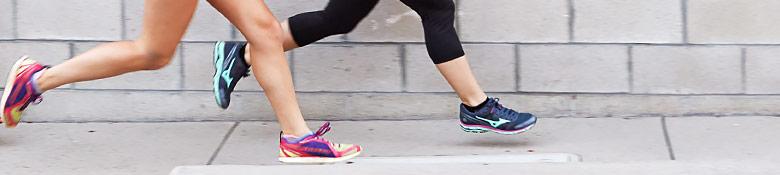
Quarantine, stay at home orders, and gyms remaining closed have led many to look for other ways to exercise. Cardiovascular exercise in particular has been difficult to find substitutes for so many have started running outside or performing HIIT (high intensity interval training) at home.
For those more accustomed to using the treadmill, stationary bike, elliptical and other cardio gym equipment this has been an adjustment and sometimes change can cause unexpected complications.
In addition to just changing the form of exercise, increasing activity too quickly, improper preparation or training, overtraining, incorrect footwear, and more can lead to injury. A multitude of factors can play a role causing foot and lower leg pain and injuries, but symptoms can be treatable and preventable.
First, what is cardiovascular exercise and why is it recommended?
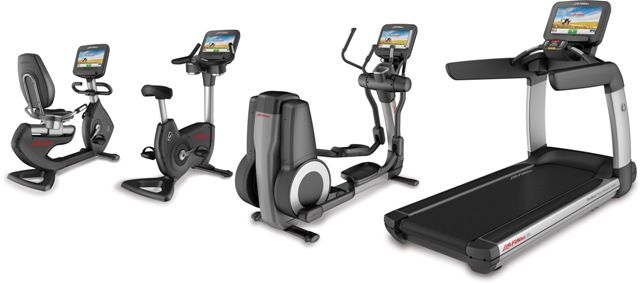
Cardiovascular exercise, or cardio for short, refers to any activity that increases your heart rate and respiration, typically using larger muscle groups repetitively.
Common cardio exercises are brisk walking, running, cycling, swimming, rowing, and cross-country skiing. In the gym, cardio machines include treadmill, elliptical trainer, stationary cycles, stepping machine, rowing machine, and ski trainer.
How Long Do I Have To Exercise To Be Considered Cardio?
Better question for a lot of people is what is the minimal amount time I have to exercise to be considered of cardio?
According to the ACSM (American College of Sports Medicine), the largest global sports medicine and exercise science organization, the recommended guidelines are as follows:
Accumulate moderate-intensity exercise (40-60% of HRR) for at least 30 minutes on 5 or more days a week, for a total of 150 minutes per week, or vigorous-intensity exercise (60-85% of HRR) for at least 20-25 minutes on 3 or more days a week for a total of 75 minutes per week. HRR is Heart Rate Reserve, normally calculated as the difference between your Maximum Heart Rate (HRmax) and Resting Heart Rate (HRrest).
Basically if you exercise at a moderate rate (brisk walk, light jog, bike cruiser), it is recommended that you exercise for 30 minutes/5days a week. If you are exercising at a higher intensity (fast paced running, interval training, jumping rope, or HIIT ) than you can exercise for less duration and frequency, but still reap the same cardiovascular rewards.
Cardiovascular Benefits
Why do I need to do cardio? If you haven’t gotten enough cardiovascular exercise, you may get out of breath walking up a simple flight of stairs. If your cardio is good, you’ll have no problem because your aerobic capacity is greater. That’s just one example of how you can benefit from cardio exercise.
Cardiovascular exercise can also:
- Strengthen your heart and muscles
- Prevent / manage high blood pressure, heart disease and diabetes
- Reduce arthritis symptoms through movement
- Burn calories
- Help control your appetite
- Release of endorphins ( feel-good chemicals released by the brain ) boosting your mood
- Improve sleep
Injuries suffered in new and experienced runners
You want to start a cardiovascular program, but you’re hindered by current symptoms or anxious about injuring yourself. Plantar fasciitis, achilles tendonitis, and posterior tibialis tendonitis are 3 of the most common foot and ankle injuries in novice and seasoned runners. Although very common, they can be easily treated and prevented.
Plantar Fasciitis
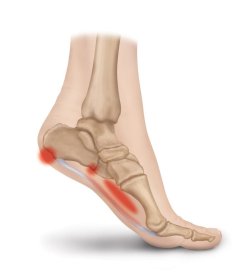
Plantar fasciitis (PLAN-tur fas-e-I-tis) is one of the most common causes of heel pain. Plantar fasciitis occurs when the plantar fascia, a thick band of tissue that runs across the bottom of your foot and connects your heel bone to your toes, becomes irritated and inflamed.
The plantar fascia, is basically a shock absorber for the foot, that also supports your arch when you stand, walk or run. When tension and stress increases in the fascia, small tears can occur. When not cared for repeated tearing and stretching, inflame the fascia.
Achilles Tendonitis
Achilles tendinitis is an overuse injury of the Achilles tendon, the tendon on the back of the lower leg, that connects calf muscles to the heel bone.
Repetitive or intense strain on the Achilles tendon, during activities such as walking, 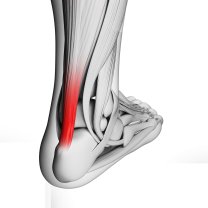 running, and jumping, results in inflammation of the tissue.
Symptoms can include a mild ache in the back of the leg or above the heel to more severe pain and swelling. People also experience tenderness or stiffness, especially in the morning, which usually improves with mild activity.
Posterior Tibialis Tendonitis
Posterior tibial tendon dysfunction is another common problem of the foot and ankle. It occurs when the posterior tibial tendon becomes inflamed or torn. The posterior tibial tendon lies on the inside of the ankle.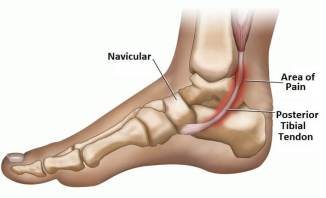
Symptoms include: pain along the inside of the foot and ankle, where the tendon lies. Pain that is worse with activity, such as running, walking or standing for a long period of time.
Prolonged inflammation may also result in the inability of the tendon to provide stability and support for the arch of the foot.
Treatments
Most people can recover in several weeks to months with conservative treatment, including resting, icing, compression, light stretching, and medications if needed.
Medications
Anti inflammatories such (Advil, Motrin IB, others) may ease the pain and inflammation caused by plantar fasciitis and or tendonitis.
R.I.C.E.
Rest, icing, compression, and elevation is a basic and usually successful home remedy that you can apply to acute injuries.
Physical Therapy

If home remedies don’t work or you’re hoping to prevent injury, a physical therapy appointment may be needed. A physical therapist can educate, provide manual therapy, and perform modalities to help speed the healing and prevent future occurrence.
Physical Therapy Interventions include:
- Training / Education on running/exercise parameters including pacing, intensity, frequency, duration
- Movement/Gait analysis
- Shoe/orthotic recommendations / referral to podiatrist
- Heat/Cold/Pain relief modalities
- Massage/ Manual Therapy
- Exercises to stretch and strengthen the foot/arch/lower leg muscles
-
- Below are a few core exercises recommended to prevent foot and ankle pain.
-


Calf and Soleus Stretch: Lower leg stretches recommended before and after exercise to improve and maintain the gastroc and soleus muscle flexibility.


Arch Self-Massage and Towel Toe Curls: Arch stretching and strengthening exercises performed a couple times a week to treat and prevent arch/foot pain.
 The Injury Atlas