

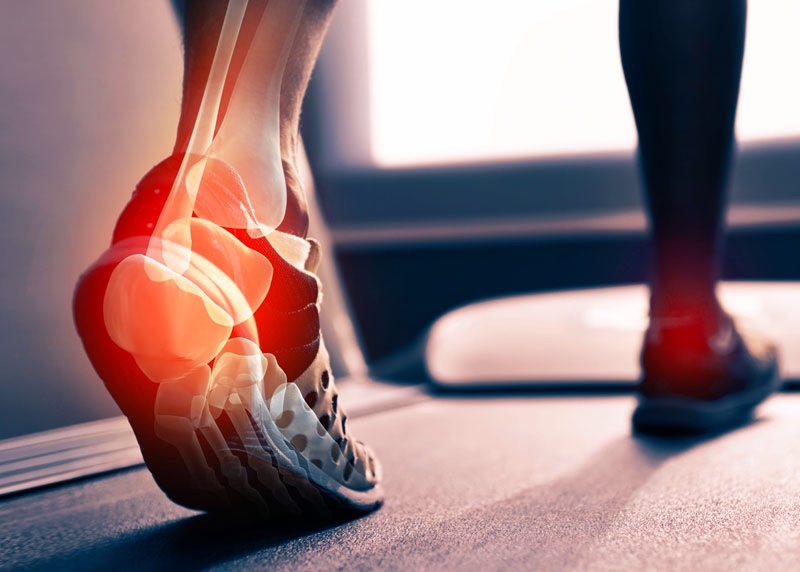
 The Achilles tendon is a springy band of tissue that stretches from the back of the calcaneus or heel bone and attaches to the calf muscles. It lets you point your toes toward the floor and rise up on your tiptoes. Although this tendon can withstand the greatest of stresses from running and jumping, it is also prone to injuries such as tendonitis.

Achilles tendonitis is a common condition that occurs in the Achilles tendon caused by repetitive stress or intense strain to the tendon, which then results into inflammation or irritation. It usually occurs in runners who have abruptly increased the intensity of duration of their runs.

It is also common in middle-aged individuals who participate in sports or to any individual going about their everyday lives. This condition often happens when we push our bodies to do too much, too soon.
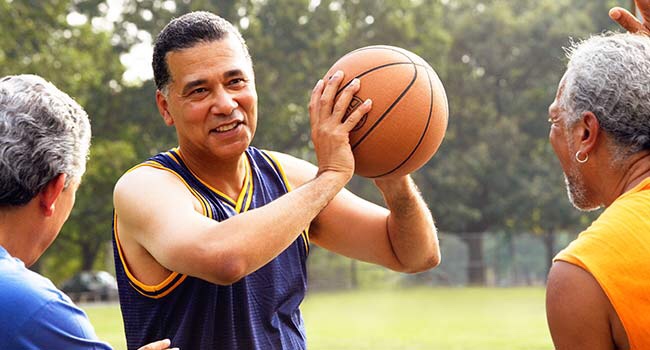
Other factors that can make it more likely to develop tendinitis include:
▫️Sudden increase stress to the tendon such as abruptly increasing the intensity of an exercise, or wearing high heels
▫️Tight calf muscles- which puts extra stress on the Achilles when performing an aggressive exercise program
▫️Bone spur- extra bone growth where the Achilles tendon attaches to the heel bone can rub against the tendon and cause pain/inflammation
▫️Having “flat feet”- otherwise known as fallen arches which causes the arch of you foot to collapse, stretching the muscles and tendon when taking a step
♦️The structure of the Achilles tendon weakens with age, which can make it more susceptible to injury and even more vulnerable to a tear or rupture.
Symptoms include:
▫️Pain and stiffness along the Achilles tendon
▫️Severe pain the day after exercising
▫️Thickening of the tendon
▫️Limited range of motion when flexing your foot
▫️Skin on the heel becomes overly warm to touch
▫️Presence of swelling, tenderness and discomfort that worsens throughout the day
Many treatments are available for Achilles tendonitis, ranging from home remedies to treatments such as:
▫️Reducing your physical activity
▫️Very gently stretching and later strengthening the calf muscles
▫️Switching to different, less strenuous sports or activities
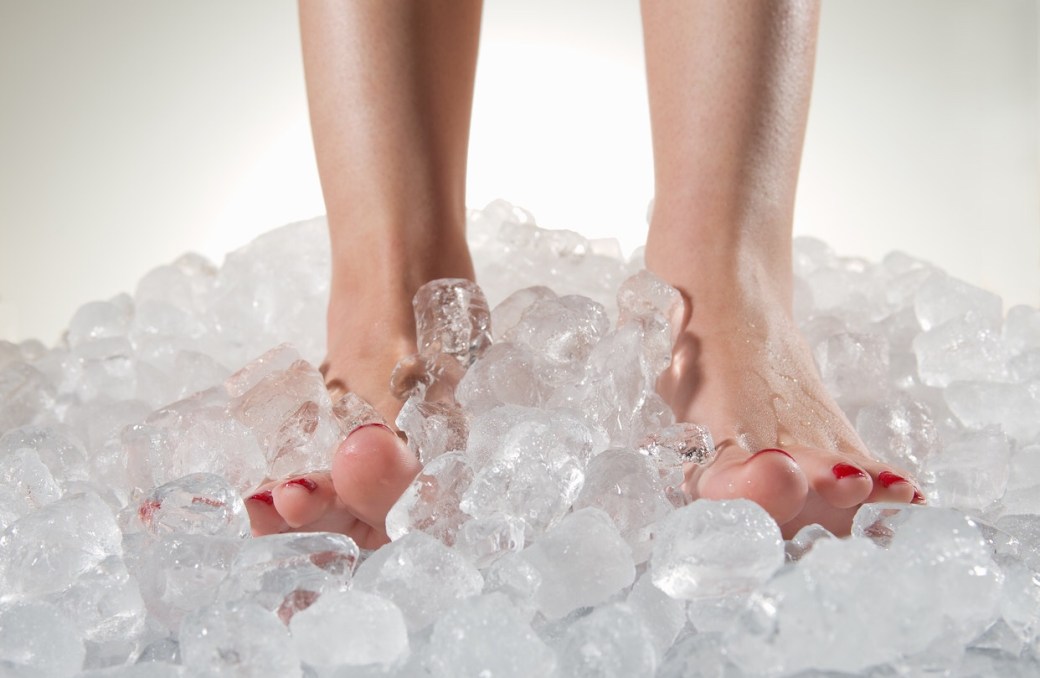
▫️Icing after exercise or when in pain
▫️Elevating the foot to decrease any swelling
▫️Wearing a brace or walking boot to prevent heel movement
▫️Going to physical therapy
▫️Taking anti-inflammatory medications
▫️Wearing a shoe with built-up heel to take tension off your Achilles’ tendon
Treatment ranges per the severity of symptoms and length of time since onset. See your PT for a comprehensive evaluation and treatment plan or referral to get you back on your feet.

 The Injury Atlas